Unraveling Animal Affection: Exploring the Bonds Between Humans and Wildlife
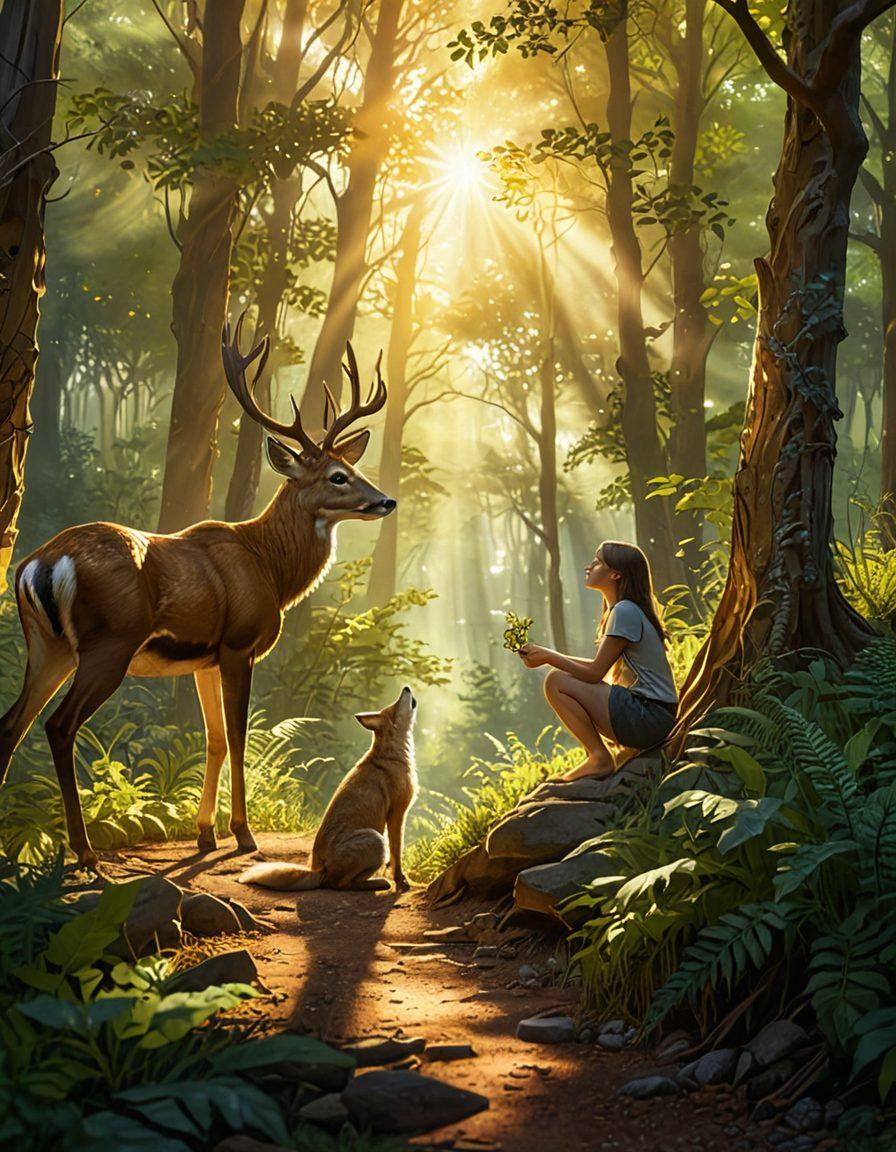
Imagine walking through a densely wooded forest, the sunlight filtering through the leaves as birds sing their melodious tunes. Every rustle in the underbrush hints at the presence of creatures of the wild that inhabit this world alongside us. It’s in moments like these that we begin to understand the essence of animal affection – a bond that goes beyond biological instincts, stirring deep emotions within us. As we delve deeper into animal science and zoology, we discover that this affection is not just a fleeting sentiment; it's a vital thread in the fabric of wildlife conservation.
Animal affection isn’t just limited to the companionship we find in our pets. It resonates in the interactions between different species, and it influences behaviors that are essential for survival. How often have you seen a mother bear nuzzle her cubs? Or elephants practicing beast nurturing by forming protective circles around their young? These behaviors shed light on animal psychology and the complex social structures within fauna research. They reveal how love and care extend beyond human relationships, creating a profound connection that sustains wildlife behaviors and their habitats.
One such compelling aspect of animal affection is its role in wildlife conservation. When we understand and appreciate the emotional ties that exist between creatures of the wild, we are more inclined to advocate for their welfare. Many conservationists argue that fostering an emotional bond with wildlife can lead to greater commitment to wildlife protection. After all, as the famous wildlife conservationist Dr. Jane Goodall once said, "What you do makes a difference, and you have to decide what kind of difference you want to make." Have you considered how your own feelings for animals might inspire action in support of their habitats?
A powerful method to channel this affection for wildlife is through creature care initiatives and animal rehabilitation programs. These programs not only nurture injured or orphaned animals but also provide invaluable education about animal ecology. Engaging in beast studies allows us to appreciate the roles that diverse species play in our ecosystems, sparking intrigue and compassion among communities. Imagine volunteering at a local wildlife sanctuary, witnessing the joy in an injured hawk's eyes when it's set free after rehabilitation. Those moments of connection reinforce the notion that every act of kindness counts, no matter how small.
Ultimately, it’s about planting the seeds of animal love, cultivating a society that cherishes animal companionship and actively participates in wildlife conservation. Whether through education, practical involvement in animal husbandry, or simply spreading the word about the importance of animal welfare, we can make a significant impact. By embracing the essence of animal affection and understanding its power, we foster an environment where both humans and wildlife flourish together. So, what can you do today to make a difference for those magnificent creatures of the wild?
Bonds Beyond Bars: The Psychology of Human-Animal Relationships in Nature
Have you ever watched a wild animal from a distance and felt an unspoken connection? Or perhaps you've had the pleasure of encountering a majestic creature, leaving you awed by its grace and intelligence? This deep-seated bond between humans and wildlife transcends the confines of social norms and expresses itself vividly through animal affection. Despite the barriers that often separate us from the creatures of the wild, the curiosity and empathy we nurture can lead to remarkable insights into the psychology of human-animal relationships. Let’s embark on a journey that delves into this captivating realm of animal science and zoology, and discover how they play a pivotal role in understanding our bonding with wildlife.
The field of fauna research provides us with the foundational knowledge about wildlife behavior which is crucial in understanding our emotional tether to these magnificent animals. Did you know that animals are capable of significant emotional expression? From the playful monkey to the nurturing elephant, each creature exhibits behaviors that suggest a complex emotional life. This raises intriguing questions: How do these behaviors inform our affection for wildlife? Can we genuinely empathize with animals, or is our affection merely a projection of our feelings? Exploring animal psychology can help illuminate this inquiry by revealing the deep-seated instincts and learned behaviors that shape their interactions with humans.
Consider the everyday heroes in wildlife conservation efforts. These individuals embody the essence of creature care and beast nurturing, showing how action stems from an affectionate disposition. As they work tirelessly to ensure animal welfare and promote wildlife protection, we witness the profound impact of our relationships with fauna. Their commitment not only rehabilitates injured animals but also bridges the gap between human hearts and the souls of the wild, reminding us that love can evoke meaningful change. This harmony between humans and animals can inspire us all to foster deeper connections and advocate for wildlife protection.
Reflecting on animal ecology, we acknowledge the delicate balance that exists in nature. Understanding the interdependencies between species can foster a greater appreciation for the companionship that we can share with the inhabitants of our planet. Through beast studies, we learn about the vital roles animals play in their ecosystems. By nurturing a loving relationship with wildlife, we can cultivate a sense of responsibility towards their habitats. This delicate bond ultimately leads to a communal way of living, teaching us the importance of coexisting harmoniously with our planetary companions.
So, how can we nurture this profound affection for wildlife in our own lives? The answer lies in embracing action. Consider supporting local wildlife rehabilitation centers or participating in animal husbandry initiatives that help sustain species diversity. Every small effort contributes significantly to the larger cause of wildlife conservation. By becoming more aware of the wildlife behavior surrounding us, we can appreciate the beauty of these interactions, igniting a passionate advocacy for creatures of the wild. Ultimately, the path toward nurturing relationships with animals is not merely a journey of passion but also a profound decision to protect and cherish their existence, fostering a legacy that future generations can build upon.
From Care to Companionship: Nurturing Affection for Wildlife and Its Role in Ecology
When we think of affection, our minds often drift to the loving bond we share with our pets. But what about the animals that roam free in the wilderness, the 'creatures of the wild'? The profound connections between humans and wildlife not only enrich our lives but also play a pivotal role in maintaining ecological balance. In this exploration of animal affection, we will delve into how nurturing our feelings for wildlife can shape their fate and ultimately impact our planet.
Imagine a child gazing in awe at a soaring eagle or a playful otter. Those moments can ignite a lifelong passion for animal husbandry and fauna research. This deep-rooted affection for wildlife serves as a catalyst in wildlife conservation efforts. When we foster animal love and empathy towards these magnificent beings, we are more likely to take action to protect them and their habitats. As the renowned wildlife biologist Ellen Meloy once said, 'A love affair with nature is a love affair with life.' Isn't it magnificent to think that our affection can help preserve life itself?
Understanding wildlife behavior through the lens of animal psychology sheds light on the intricacies of the bonds we share. Those who engage in beast studies can attest that the more we nurture our knowledge and affection for wildlife, the deeper our relationships become. We find ourselves captivated by animal companionship as we learn about their interactions, emotions, and behaviors. Each creature has a unique story to tell, and by observing them, we contribute to our understanding of animal ecology—fostering a sense of stewardship toward our planet.
Nurturing affection for wildlife also spans into the realm of animal rehabilitation, where compassionate individuals work tirelessly to mend the wounds of our planet's most vulnerable residents. This calling for creature care embodies the essence of animal welfare, driven by a desire to heal—not just the physical ailments of these beings, but also the sense of connection that links us all. Could it be that by caring for the wounded, we also rediscover our own humanity?
In our fast-paced lives, it is crucial to pause and appreciate the gentle whispers of nature. Whether it’s through volunteering for wildlife protection initiatives or simply spending time in nature, nurturing our affection for wildlife enhances our own well-being while ensuring that these magnificent creatures continue to thrive. How might you show your love for the beasts that share our world? Participate in local conservation efforts or educate yourself about the delicate balance of ecosystems. Your journey in animal affection can start today, creating ripples of change that benefit both wildlife and humanity.